Stay Informed With Changes To The Right to Rent Scheme


Christmas Newsletter - 2021 and Looking Ahead To 2021
2020 has been a year of up’s and down’s and one that I am sure many will be happy to see the back of for one reason or another.
2020 has also seen many industries evolve and change their businesses to meet the demand imposed on us by the pandemic, and we are very proud that we have managed to meet these challenges head on and with the hard work and dedication of our staff we have been able to continue to provide our services to what is typically a very customer facing industry in new and intuitive ways.
These changes included the implementation of Virtual Tours of our properties on offer for Sales and Lettings to allow online viewings to be conducted. Online and digital document signing facility to allow for quicker turnaround of common documents used across all of our departments and online client meetings to enable us to conduct larger group meetings that would otherwise be prohibited under the current regulations.
But as 2020 comes to an end, we would like to take the opportunity to thank all our clients old and new for their valued business and support throughout what I am sure everyone will agree, has been a very difficult year and we would like to wish you a Merry Christmas and a Happy & Healthy New Year from all of us at Dack Property Management, Residential Sales & Lettings.
Christmas opening times
24th Dec – 9:00am – 2:00pm
25th Dec – 3rd Jan – Closed
4th Jan – Normal opening Hours resume
During our Christmas closure if you have an Emergency please contact us on 07525764074
If you wish to inform us of non-urgent maintenance or repairs please email Info@dackpropertymanagement.co.uk
Your Guide to The New Electrical Saftey Standard
For many years now, electrical safety standards in rental properties have always been a grey area and although it has always been a recommendation that a property was inspected, there was no legal requirement to do so with the exception of HMO properties.
In March this year, the Electrical Safety Standard in the Private Rented Sector (England) Regulations 2020 passed through parliament with guidance being published to the sector on 1st June.
The guidance came as a shock to most, allowing just 1 month before the new regulation would come into force on the 1st July 2020* and would apply to all landlords offering new or extending existing tenancies after this date. This would then apply to all remaining tenancies by April 2021.
*Since this guidance was initially published, it has been further updated by the government and as of 19th June, the enforcement date was moved from 1st July to 1st June!
The Electrical Safety Standards in the Private Rented Sector (England) Regulations 2020 require that a Landlord must have the electrical installations in their properties inspected and tested by a person who is “qualified and competent”, at least every five years.
Landlords or Agents have to then provide a copy of the electrical safety report to their tenants within 28 days, and their local authority within 7 days if requested.
With a potential penalty of up to £30,000 for non-compliance and a tight timeframe to organize electrical inspections, it will be a busy time for electricians and landlords alike.
Does This Apply To My Property?
These new regulations will apply to all new tenancies and any tenancies that are renewed from 1st July 2020 and will apply to all existing tenancies from 1st April 2021. This includes, assured shorthold tenancies (AST’s), houses in multiple occupation (HMO’s) and licenses to occupy. Exceptions to these regulations include social housing, lodgers, and student halls of residence to name a few.
Landlords Legal Obligations
Landlords have a legal obligation to make sure the electrical installations in their rented properties are safe. Under the regulations, landlords must:
What Does The Inspection Cover?
Electrical inspections will test the ‘fixed’ electrical parts of the property. For example, the wiring, plug sockets, light fittings, and the fuse box will be inspected. This includes all permanently connected equipment such as electric showers and extractors. The regulations do not cover electrical appliances, only the fixed electrical installations.
The inspector will check whether:
Inspections must be carried out by a person who is “qualified and competent”. Landlords can ensure a person is qualified and competent by:
The Electrical Installation Report
Traditionally an Electrical Installation Condition Report (EICR) will show whether the electrical installation is safe for continued use. If the report doesn’t require investigative or remedial work, the landlord won’t need to carry out any further work. Inspectors will use the following classifications to indicate if further investigation or works are required:
If the report shows that remedial work or further investigation is required, landlords must complete this work within 28 days if specified as necessary. Landlords must then provide written confirmation that the work has been carried out to their tenants within 28 days.
How Will This Be Enforced?
Local Councils have the power to demand sight of the report, which landlords should provide within 7 days of the request or they face a penalty.
They also have the power to serve a remedial notice on a landlord to compel them to comply with the regulations, if they have reasonable grounds to believe the landlord is in breach.
Landlords have 28 days from the date the notice is received to remedy the breach, and if the work is not carried out in time then the local authority has the power to carry out the required works themselves (on providing prior written notice to the landlord) and then recover their costs from the landlord.
Landlords who fail to comply with the regulations may face a civil penalty up to a maximum of £30,000, with the potential for multiple penalties to be imposed for a continuing failure
Should you have a managing agent for your property they will be in contact to discuss your specific property, however, if you manage your own tenancy and would like assistance regarding these regulations we would be more than happy to assist you.
This article is intended as a guide only and is our interpretation of the government’s published guidance available at the time of writing. Although this article in our opinion is extensive, it is not to be considered legal advice. For more information, please refer to government guidance in full.
A leaseholder’s right to have control of or input into how their property is managed is a right that many are either unaware of or are unable to exercise.
The landlord (freeholder) under the terms of the lease is in all but a few instances responsible for managing a property and will usually appoint a managing agent to undertake this function on their behalf. In a large number of cases, the freehold of the building is vested in a company which the leaseholder’s own a share of and therefore have a say in the management of their property. Such companies rely on a few leaseholders to step forward as directors to run the company and appoint managing agents. Leaseholders/shareholders will meet annually at an AGM to appoint those directors and agree to the appointment of managing agent, accountants etc.
For many this is not the case and they find the freehold of their property is owned by a third party with little interest in the property save for the collection of the ground rent and placing the insurance from which a commission is usually earnt. Freeholds are bought as investments and there are many investment funds, which are now buying up freeholds, particularly from developers on completion of the disposal of the flats in the new development.
Those leaseholders that feel that their property is not being managed how they would like having rights, which are simple to effect. The right to manage is a no fault right to acquire the management of your property from your freeholder. It requires a majority of the leaseholders in any property to form and join an RTM Company which can be bought off the internet for less than £100 and then serve statutory notice of their wish to take over the management against the freeholder who has no grounds to object except if there is an error in the administration process.
It is therefore important to take professional advice from a solicitor or a managing agent who specialises in this field and has the necessary knowledge and experience.
Once the right has been acquired, it is then the job of the members of the RTM company to find themselves a new managing agent and take control of the management of their property with the professional assistance of a suitably qualified management company. There is another grey area with an ever – increasing number of unqualified firms offering a management service. Look for an agent who is a member of either the RICS or ARMA and who complies with The Code of Management Practice, which is adopted in law and the widely accepted reference guide for good practice in the industry.
It is easy to complain about your landlord or your agent but remember you have no power to do something about it if you choose. For advice and information please do not hesitate to contact myself or any of the professional organisations listed below.
Peter Dack FRICS
Director
In my first article in the second addition of Property Focus, I stated that the service charge is the payment made by a leaseholder to the freeholder of their managing agent to maintain, repair and insure the building as well as to provide other services to be provided under the terms of the lease such as lift maintenance, central heating, cleaning and gardening. In article I touched on leaseholders “right to manage” removing the freeholder’s control of the maintenance of the building under the terms of the lease.
The “reasonableness” of the service charge is arguably the most contentious issue with respect to living in a leasehold property and why so many leaseholders wish to have control either by owning a share in the freehold or acquiring the right to manage. Under the Leasehold & Commonhold Reform Act 2002 leaseholders have a right to withhold payment of their service charge if they dispute the service charge, the charges have to be reasonable and the lessees fully consulted in accordance with the regulations set out in the Act.
One clear calendar month before the commencement of the financial year a leaseholder should receive a draft budget of service charges for the forthcoming year and given the right to comment on the proposed budget. Any comments received must be considered and before implementing the budget any representations received, considered and have regard to.
Failure to do so could invalidate the right to recover the service charge, further the request for payment must be in a prescribed format with notes accompanying advising leaseholders of their rights. Failure to advise a leaseholder of their rights will invalidate any request for payment.
The service charge should be transparent with individual items of proposed expenditure clearly items of proposed expenditure clearly quantified. A standard budget will include items such as fire risk assessments, health and safety inspections, emergency lighting and fire alarm testing. The list is ever increasing with new regulations being introduced and additional services provided to some properties.
It would not be unreasonable for lessees to question any item of expenditure within a budget and to seek competitive estimate to ensure value for money. I will touch on the large ticket items in subsequent issues but needless to say insurance and managing agent’s fees are usually the two largest items of expenditure for which leaseholders need to be satisfied they are receiving value for money.
Ultimately, a leaseholder can withhold payment of their service charge and leave it for the freeholder/RTM to take them to the Leasehold Valuation Tribunal where the question as to the reasonableness of the service charges will be considered and determined by an independent review panel. Hopefully this can be avoided if managing agents and their client respect leaseholder’s rights by providing clear transparent information and most importantly a service to justify the service charge.
If you have any questions with respect to service charge issues or any other matter in respect of leasehold management please do not hesitate to contact me and I will endeavour to provide impartial professional advice.
Peter Dack FRICS
Director
The dreaded property chain can cause chaos putting you in the land or the unknown while in some cases twelve properties have to exchange and complete at the same time! We have experience of progressing a number of complicated chains and here we take a look at some of the steps you, as a buyer or seller, can take to make things run more smoothly if you have to buy and sell at the same time.
In an ideal world, you would sell your home the minute you put it on the market and then have all the time you need to find your next dream home while your buyers wait patiently until you’re ready to move. Unfortunately, we don’t live in an ideal world and in most cases, you’ll find yourself in a chain. While not uncommon, property chains can cause significant headaches, so if you’re planning to buy and sell at the same time, make sure you’re prepared.
Stage 1 – Get your Property Valued
Before you start making plans to buy your new home, you need to get a clear understanding of how much your current home is worth. We would be more than happy to offer a free valuation (hyperlink) and provided you with evidence to support our value.
Stage 2 – Work Out Your Finances
What is your budget? It is important to head round your finances; how much equity do you have in your current home? Do I need a mortgage? What will my repayments be? Our advice would be to have an initial conversation with an independent mortgage broker. These initial chats are normally conducted over the phone with a follow-up meeting in person.
That conversation may lead to re-mortgaging or porting your mortgage. The latter involves transferring your existing mortgage to your new property. Either way, if you would like our advisor to give you a call please let us know.
You should also bear in mind additional costs such as stamp duty and estimate the utilities for the new property, such as the council tax band. You will also need to work out your legal costs.
Stage 3 – Find a Good Solicitor
A good solicitor is integral to a smooth house sale and/or purchase. This is another cost that will need to be taken into account. We work closely with Independent Solicitors who have serviced a number of our clients with nothing but positive feedback. If you would like a free, no-obligation quote, please contact us. For more information please see our conveyancing page (Insert link)
Stage 4 – Find a Property
Once you’ve found a property you like, work out the sums and book some viewings, see our article “What should I be asking on my viewing?”. Consider what works, if any, you’d need to do on the property and the associated costs, consult your mortgage broker again if need be. Perhaps you have identified an issue or want to rip out that dark orange 1970s bathroom suite as soon as you move in. Once you’ve done the math, if you’re happy it works out, make an offer.
Stage 5 – Maximise Your Negotiating Power
We agents love an informed and prepared buyer or seller. While you’re perfectly entitled to put in an offer on a property when your own home is still up for sale or not even on the market, you will be in a stronger position if your property is under offer.
Coming to an agent with a property already under offer with an understanding of exactly what is going in the chain, solicitor’s details, and an Agreement In Principle (AIP) in hand will always put you in good stead. With that being said all sellers and buyers have different needs and all offers are handled on a case by case basis.
Stage 6 – Be Prepared To Wait
Buying and selling a property is, unfortunately, not a quick process. At Dack, we focus on managing all involved parties’ expectations from day one once a buyer is found. Granted we want your sale to go through as soon as possible but not at the sacrifice of quality or cutting corners.
We expect between 10 – 12 weeks for the average completion, however with several variables in the equation, such as the number of properties in the chain or number of potential enquiries to be raised during conveyancing, it’s not an exact science.
Our job is not over once we have found a buyer by any means; an agent proves their worth when it comes to progressing the sale, overcoming obstacles, and getting you through to completion. We have a heavy focus on offer validation at the very beginning and communication throughout the sales process. 1 in 3 sales fall through, this is a scary statistic and we aim to reduce this figure dramatically.
Stage 7 – Set a Date
Once the conveyancing process is nearing the conclusion we can start to work towards exchange and completion dates. Exchange is the date the transaction becomes legally binding with completion being the date upon which the funds will be transferred and the keys released to the new owner. All parties must co-ordinate a completion date both up and down the chain that works for everyone. This will take some negotiation. More often than not you will need to be prepared to compromise.
In summary, when buying and selling, you should:
Get your property valued.
Work out your finances
Find a good solicitor
Find a property
Maximise your negotiating power
Be prepared to wait
Set a date
Don’t be put off by how complicated the process sounds, it’s not a scary as it seems. It’s the role of us, the estate agent, to make your life easier.
Give us a call or pop into the office if you are thinking of buying or selling for a chat.
Buying a leasehold property is as their home is being considered by an ever increasing number of people. Buying a leasehold property whether as a first time buyer, as a retirement home or an investment, providing a home for someone else is something you can consider. This article explains the basic elements of leasehold ownership.
Leasehold properties have become a large proportion of the UK property market and this is also true in Portsmouth.
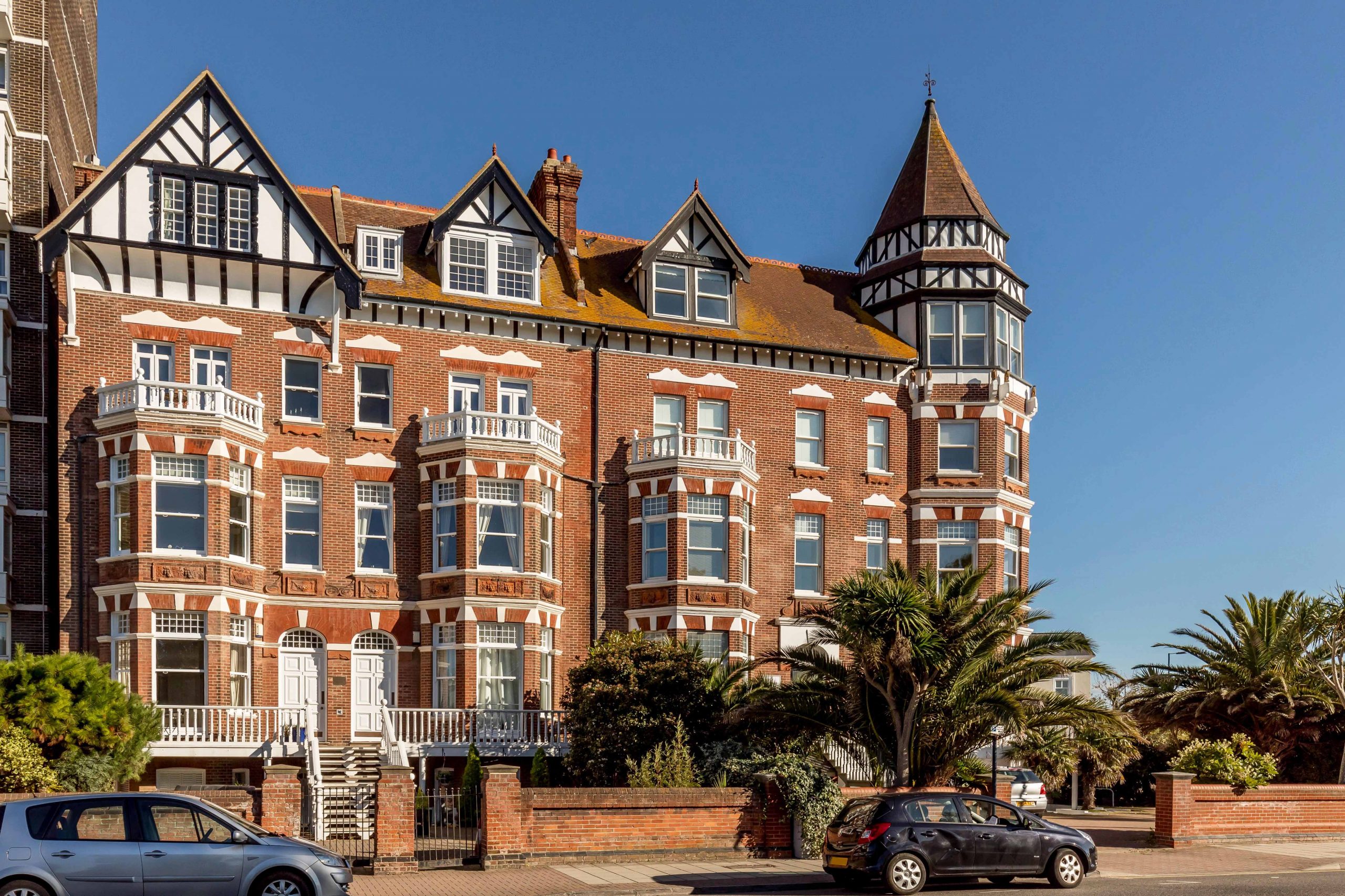
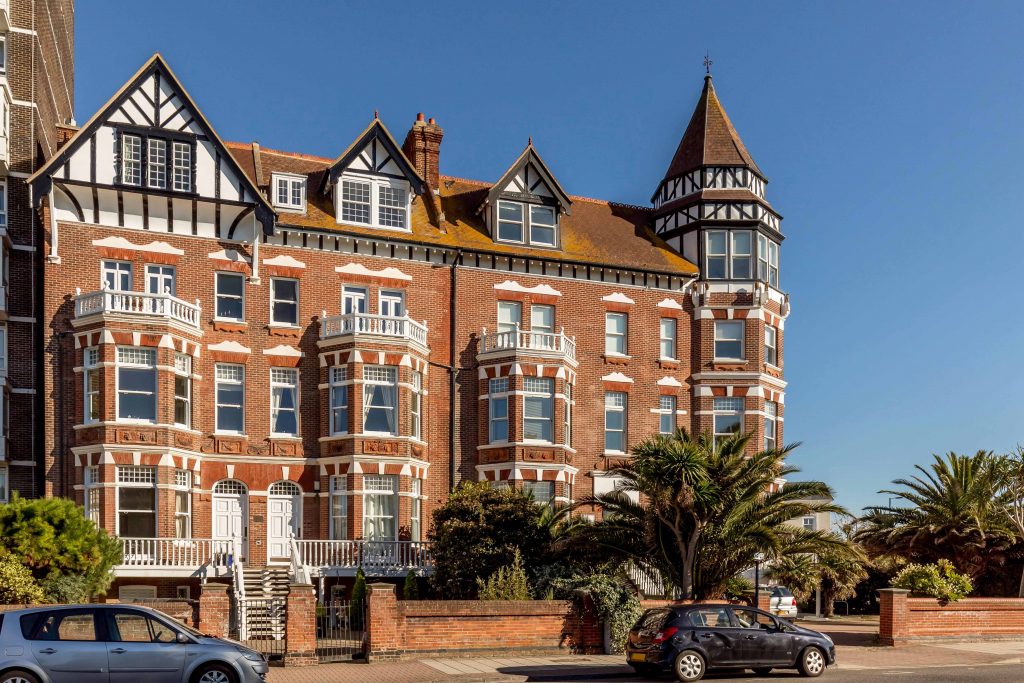
Leasehold living offers accommodation for the growing population of the City of Portsmouth and brings a variety of properties catering for varying occupancy needs. Although a seafront apartment with a balcony and sea views is an exciting prospect, it is important to understand the additional responsibility on the homeowner under the terms of the lease.
When people consider buying a leasehold property it is crucial that individuals understand their rights and responsibilities as set out in the lease.
Many first time buyers in particular, may not even know what a lease is so it is important that they are given a copy of the lease and have it explained to them before purchasing their apartment.
For the wiser leasehold property owner they will be only too aware of the benefits and pitfalls of owning an apartment in a leasehold building. This article aims to clarify some of the prominent aspects of living in a leasehold property.
In it’s simplest form, owning a leasehold apartment is a long tenancy. You have the right to occupy and use the apartment for a long period of time – the ‘term’ of the lease. This will usually be for 99 or 125 years from the date the building was constructed.
As the leaseholder, you will usually own and be responsible for everything within the apartment. This will include the floorboards and plaster to the walls and ceiling. The structure, external walls and communal parts of the building, including the land it stands on, will usually be owned by the freeholder who is also the landlord.
The landlord can be a person or a company including a local authority or a housing association. It’s also quite common for leaseholders to collectively own the freehold through a residents’ management company, effectively becoming their own landlord.
Your lease may be quite complicated but its fundamental role is simple. It’s a contract between you and the landlord, giving you conditional ownership of your apartment for a fixed period of time. It sets out your contractual obligations as a leaseholder and those of your landlord; therefore, it’s important you know the contents of the lease and understand them. This will include payment of ground rent and contributions to the costs of maintaining and managing the building through service charges.
The lease will also place certain conditions on the use and occupation of the apartment. It’s especially important to understand these before you purchase your apartment. It’s not uncommon for someone to move into their new home only to discover a beloved pet can’t come with them because they are not allowed under the terms of the lease. More recently, issues with subletting have been increasing with the rise of Airbnb and other short term holiday lettings businesses. Although potentially lucrative, check your lease to ensure you’re and not breaching your obligations to the landlord.
The service charge is the payment made by a leaseholder to the freeholder or their managing agent to maintain, repair and insure the building as well as to provide other services such as lifts, central heating or cleaners. These charges are liable to change from one year to the next but at all times must be ‘reasonable’.
Leaseholders have the right to challenge the service charge if they feel this is ‘unreasonable’ via the Leasehold Valuation Tribunal (LVT). It is important to find out what the current charges are and the charges for the future years and what, if any, reserves are held to cover the cost of major works such as the external decoration of the building. The provison of the ‘reserve fund’ may be provided for within the lease to collect additional funds for the future works.
Details of what can and cannot be charged by the landlord and the proportion to be paid by the individual leaseholders should all be set out within the lease.
“Ground rent” is paid under the terms of a lease by the owner of an apartment to the owner of the land (freeholder) on which it is built. The charge for this is varying from lease to lease; however, it is important to understand as this can increase in increments over time. It is not unusual for the ground rent be renegotiated upon an extension of an existing lease.
With a well written lease and a professionally managed building, leasehold properties can be an ideal home and a secure investment. For more information on the leasehold management service we provide please contact us. If you have any questions regarding the content of this article or would like impartial advice in respect to leasehold property matters in general please, contact us with your enquiry.
When looking for the best place to rent in Southsea, it may help to ask yourself the following four questions:
If you’re looking for a larger living space and you’d like to consider houses as well as apartments then you probably need to be focussing your search in areas at least one kilometre north of the seafront. This area of Southsea is largely residential and dominated by Victorian terraced housing which provides excellent space and period character at a reasonable price. There is a good supply of houses to rent in this part of Southsea although a private parking space the exception not the rule. Parking is generally unrestricted but busy.
Areas in the North of the City such as Copnor or North End, will give you quicker access to the motorways and you can avoid the Eastern Road traffic jams in the morning and evenings. There is also generally a little more free parking than in Southsea and there is a little less competition for spaces.
For some people, living in Southsea is all about being as close as possible to the sea. There are lots of apartment blocks along the seafront, many Victorian in character, others reflecting more recent architectural styles and most of these properties are in the rental sector. The eastern end or Eastney tends to be the quieter end of the promenade, less built up and with fewer retail outlets. The western end of the promenade towards Clarence Pier is generally busier and is a short walk to Southsea centre and Gunwharf Quays, making it a very popular choice for those looking to rent in Southsea. A reasonable number of these apartments do have private parking which may be valuable to you given that much of the seafront parking is metered during the day time.
There are some lovely rental properties available in Old Portsmouth, a sought after area full of character but in general the area is dominated by owner occupied property. Just beyond Old Portsmouth is Gunwharf Quays where most properties are apartments within attractive residential blocks. There are a reasonably good number of rental properties available in this highly sought after area, these attractive apartment blocks are a mixture of owner occupiers and renting working professionals, but it is worth noting there are a surprising number of student lets too.
If you are looking for a rental property with a garden then you’ll probably need to look at a house or a garden flat. Whilst Southsea gardens tend to be smaller than in many other parts of the UK, there are lots of great properties that do have a little garden that provides an outside oasis in the hot Summer weather. Alternatively if, when you see a garden you just see another set of chores then an apartment without outdoor space beyond perhaps a balcony might suit you more and there are plenty to choose from. With that being said Southsea Common is a short walk away from a number of apartments in central Southsea and many tenants are not being as put off by a lack of outside space as we have seen in previous years.
If schools are important to you then it is worth checking out the catchment areas of your target schools. You can use the City Council’s useful guide here
Whatever you’re looking for in a rental property in Southsea, at Dack we can help you find exactly what you’re looking for. We manage hundreds of rental properties in Southsea on behalf of their owners and so we know exactly which Southsea rental properties will suit your needs.